
 Business License

The Ultimate Solution for Waste Tire Pyrolysis Equipment
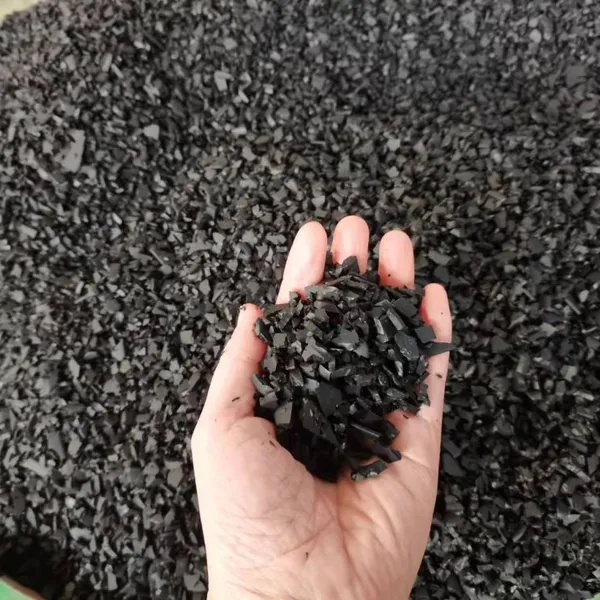
Definition of Pyrolysis Technology: Pyrolysis is the ultimate treatment method for waste tires, ensuring they are fully utilized. The principle of pyrolysis involves placing waste tires, after the steel wires have been separated, in an oxygen-deficient or inert gas environment for incomplete thermal degradation, producing pyrolysis oil, non-condensable gas, and crude carbon black. The pyrolysis oil can be refined or used as fuel oil, the non-condensable gas can serve as a pyrolysis heat source, and the crude carbon black can be further processed to obtain commercially viable carbon black. This process is fundamentally different from incineration—incineration takes place in an oxygen-rich environment at 800-1000℃, producing mainly flue gas and ash, with the sole purpose of destroying the tires; while pyrolysis operates in an oxygen-free or oxygen-deficient environment (approximately 400-600℃), with the core objective of resource recycling.
Product Output and Economic Value: A waste tire pyrolysis production line with a daily processing capacity of 12 tons can produce approximately 430-450 kg of pyrolysis oil, 300 kg of carbon black, and 150 kg of steel wire per ton of waste tires. Combined with recyclable non-condensable gases, the overall net profit can reach over 500 yuan per ton. Shanxi Juyuan Renewable Resources Co., Ltd.'s comprehensive utilization project for waste tires with an annual processing capacity of 100,000 tons has a total investment of 126 million yuan. Upon reaching full production capacity, it can produce 34,000 tons of carbon black, 40,000 tons of fuel oil, and 18,000 tons of steel wire annually, and is expected to reduce carbon dioxide emissions by approximately 32,000 tons annually, equivalent to the carbon sequestration effect of planting 170,000 trees. Each tire can produce approximately 2.5 liters of pyrolysis oil and 3.5 kg of recycled carbon black. A 15-ton/day continuous pyrolysis unit can typically recover its investment within 18-24 months.
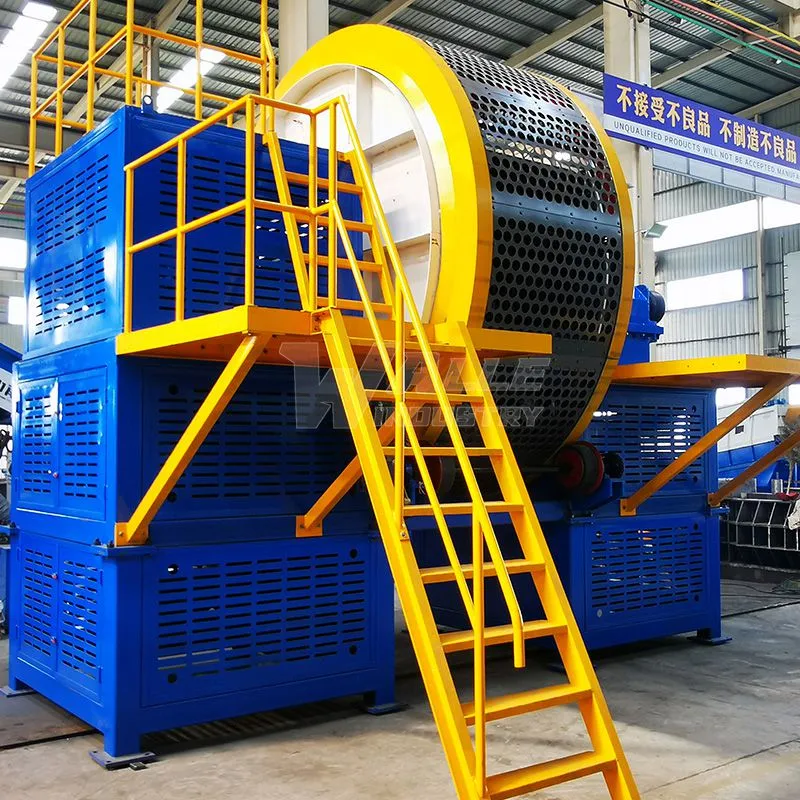
Intermittent vs. Continuous Pyrolysis Equipment: Intermittent equipment has a daily processing capacity of approximately 1-15 tons and is suitable for small businesses, experimental research and development, and scenarios with unstable raw material supply. It has relatively low investment and is simple to operate. Continuous pyrolysis equipment has a daily processing capacity of 15-50 tons or more, suitable for large-scale industrial production. It provides a more stable pyrolysis environment, resulting in more uniform product quality, a high degree of automation, and lower operating costs in the long run. Fully continuous pyrolysis units adopt an industrial assembly line operation mode, enabling stable 24-hour operation.
Environmental and resource utilization advantages: The production process operates in a closed loop. The generated pyrolysis gas is desulfurized and deodorized before being reused as fuel for reheating, forming an energy closed loop and achieving "zero emissions, zero residue, zero pollution, and full utilization." The carbon dioxide emissions from recycled carbon black can be reduced by up to 80% compared to virgin materials. An increasing number of industrial enterprises in Germany and Europe have begun using pyrolysis oil and recycled carbon black to replace fossil resources.
Recently Posted
-
Timber Recycling Equipment Procurement Guide – System Selection
June 11, 2026Comparison and Selection of Three Mainstream Technologies: When selecting timber recycling equipment, users mainly face the choice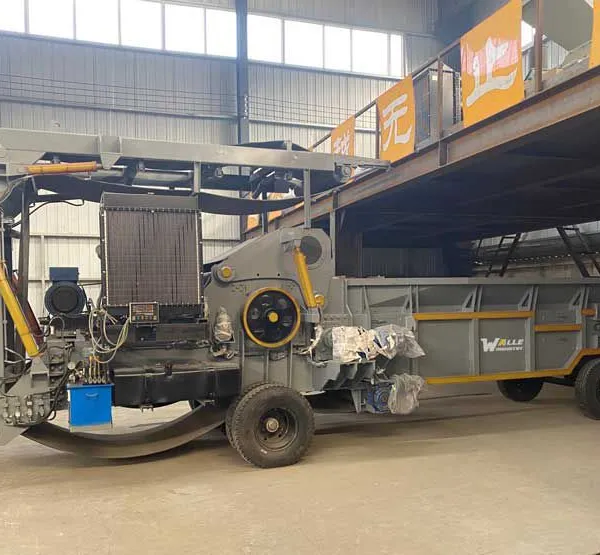 Read More
 -
China's Timber Recycling Equipment – A Force in Green Transformation
June 11, 2026Global Market Size: The global timber waste recycling machine market was valued at approximately US$430.03 million in 2024 and is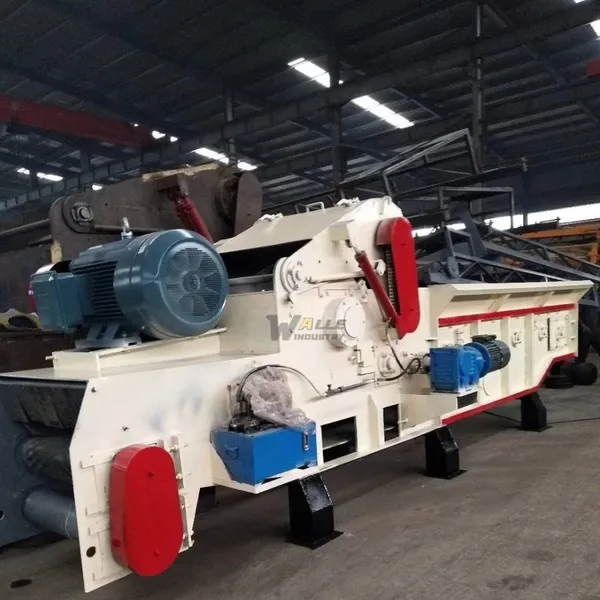 Read More
 -
Mobile Timber Recycling Equipment – Innovative Solutions
June 11, 2026Mobile Equipment Market Trends: The global mobile industrial shredder market was valued at approximately US$644.8 million in 2024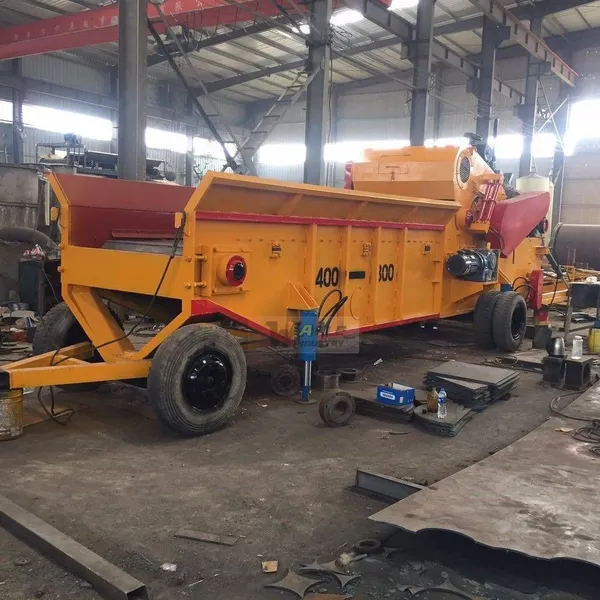 Read More
 -
Wood Recycling Screening Equipment – A Key Link in Obtaining High-Value Wood Chips
June 11, 2026The Role of Screening in the Wood Recycling Process: In the wood recycling chain, screening is the bridge between crushing and fin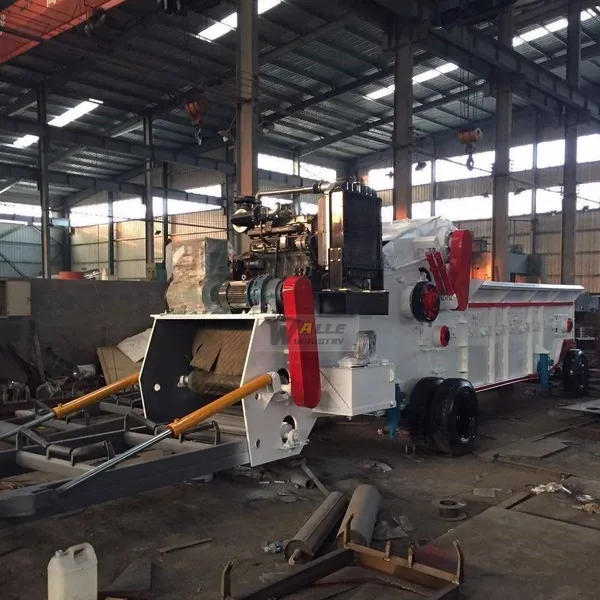 Read More

Contact Us
Recommended Products
-
 Portable Hydraulic Beverage Can Compactor Drink Cans Logger Aluminum Can BalerNegotiableMOQ: 1 Set
 -
Industrial Recycling Tube Bottle Plastic Crushing Machine Two Shaft Shredder For FactoryUS$ 55000 - 98000MOQ: 1 Set
-
Walle Industry Waste Tire Reclaim Machine Tire Mulching Machine Tire Shredder MachineUS$ 18500 - 56200MOQ: 1 Set
-
WL1500 HSM Scrap Shredding Machine HSM Chips Cutting Machine Metal Waste Double Shaft ShredderUS$ 55000 - 98000MOQ: 1 Set
-
Double Shaft Shredder Machine for Waste Cardboard Paper Tire Rubber Metal Pipe Plastic RecyclingUS$ 55000 - 98000MOQ: 1 Set
-
Car Scrap Shredder Shredding MachineNegotiableMOQ: 1 Set
-
Car Shell Double Shaft Shredder Hard Disk ShredderNegotiableMOQ: 1 Set
-
Beverage Cans Multiple Shredder Big Blue Barrel CrusherUS$ 5333 - 53333MOQ: 1 Set
-
Industrial Paper Shredder Paper Isolation Fiber Making Machine Paper Insulation Fiber Making EquipmentUS$ 4500 - 98500MOQ: 1 Set
-
WL300 Scrap Radiator Disposal Machine AC Radiators Separator Recycling MachineUS$ 4800 - 5500MOQ: 1 Set
-
High Efficient Industrial Wood Sawdust Making Machine Diesel Engine Shredder Mobile Hardwood Log Wood Chipper MachineNegotiableMOQ: 1 Set
-
WEEE Shredder Refrigerator Waste Recycling Production Line Refrigerator ShredderUS$ 55000 - 158000MOQ: 1 Set
-
Aluminum Profile Wheel Hub Double Shaft Shredder Machine Waste Plastic Metal Wood Crushing MachineUS$ 55000 - 98000MOQ: 1 Set
-
Wast Paper Baler Recycling Baler for Cardboard Carton Baling PressUS$ 18600MOQ: 1 Set
-
Sisal Fiber Baling Machine Textile Baling Compress Pet Bottle Press MachineUS$ 18600MOQ: 1 Set

-
Aluminum Cutting Machine Metal Sheet Shear Metal Recycling MachineUS$ 18600MOQ: 1 Set
-
Hydraulic Heavy Metal Alligator Shearing Machine Scrap Recycling Scissor MachineUS$ 18600MOQ: 1 Set
-
Aluminum Chip Briquetting Machine Metal Chip CompactorUS$ 18600MOQ: 1 Set
-
Brand New Tyres Recycling Line Double Shaft Crusher Big Tire Shredder Machine for Waste Car TireUS$ 18600MOQ: 1 Set
-
OTR (Off-The-Road) Tyres Crusher Used Car Tires Shredding Machine Primary Tire ShredderUS$ 18600MOQ: 1 Set